
Knowledge base
CliDeck Blog
Practical guides for serial console access, browser terminals, runbooks, remote hands, ITAD network equipment processing, OOB automation, and safer infrastructure operations.
The CliDeck Blog is a practical knowledge base for engineers and operations teams working with real infrastructure: switches, routers, firewalls, appliances, servers, console ports, SSH sessions, recovery workflows, asset processing, and documented handoffs.
124Published articles
10Active topics
2Current page
Knowledge map
What you can learn here
Recommended paths
Best starting points
Serial Console
Serial console basics
Start here if you need to connect to a console port, find the right COM port, choose the correct baud rate, or fix serial console problems.
Serial ConsoleBrowser terminal workflows
Start here if you want to compare browser-based SSH or serial console workflows with traditional terminal apps.
RunbooksRunbooks and safer operations
Start here if your team repeats the same commands, handles incidents, or needs safer maintenance workflows.
Remote HandsRemote hands and shared terminals
Start here if onsite technicians, senior engineers, customers, or vendor support need to work on the same live terminal session.
ITAD & RefurbishmentITAD network equipment processing
Start here if your team resets, zeroizes, recovers, verifies, or documents network devices for resale, reuse, refurbishment, or recycling.
ITAD & RefurbishmentOOB automation and recovery
Start here if you need serial fallback, provisioning files, recovery workflows, or documented device processing.
CliDeck ecosystem
CliDeck products mentioned in the blog
CliDeck Workspace
Browser-based terminal workspace for SSH, serial workflows, runbooks, notes, layouts, logs, and shared sessions.
Console Server Go
Pocket-size, battery-powered portable console server and next-generation USB console cable for rack-side and remote-hands console access.
CliDeck Net Controller
Rugged 12-port portable console server and OOB automation controller for ITAD, refurbishment, recovery, provisioning, barcode/API workflows, and documented results.
runbooks31ITAD30remote-operations29itad28operational-evidence23refurbishment18verification18network-device-wipe17serial-console13factory-reset10
All articles
Guides, product notes, and workflow references
Page 2 of 14
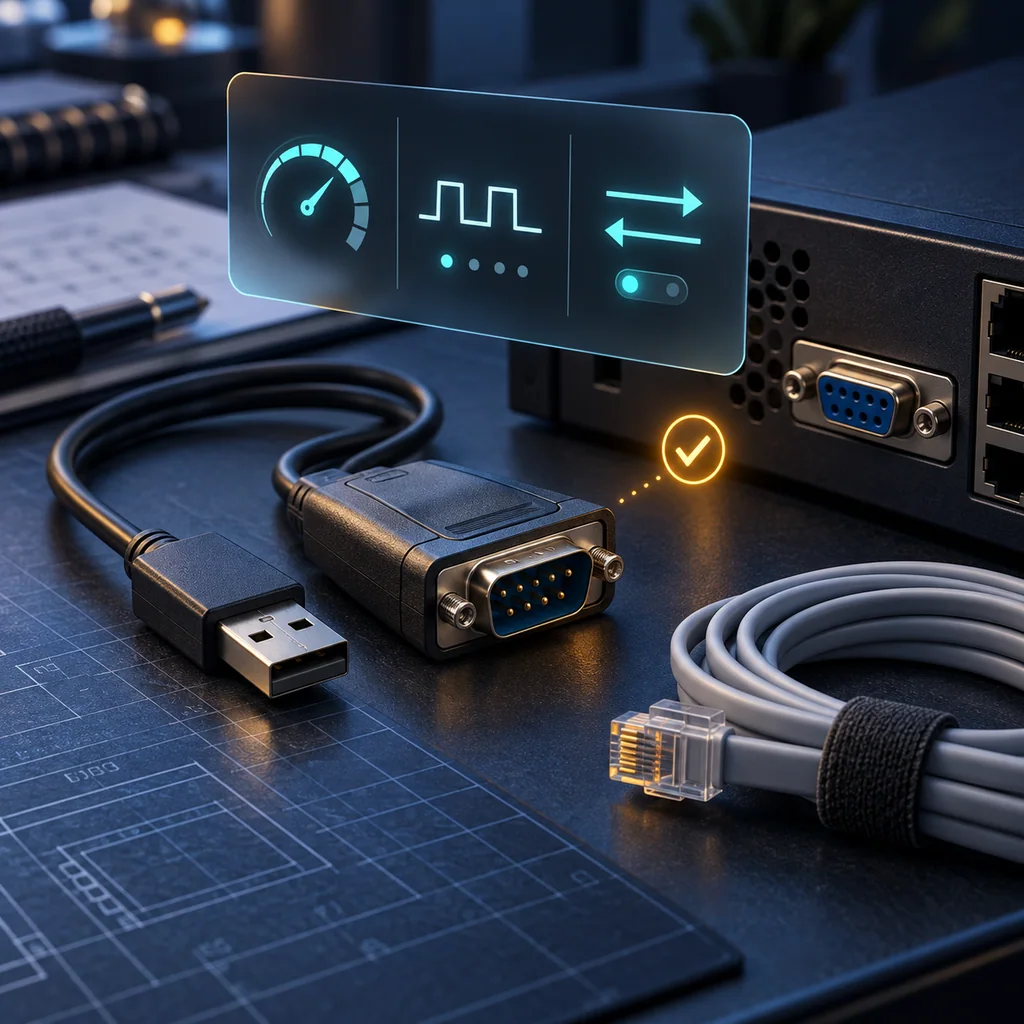
Serial Console
Linux Serial Settings: Inspect stty Without Guessing the Console Profile
Inspect GNU stty settings for an identified serial adapter, compare framing and flow control, and account for device-open effects and session ownership.
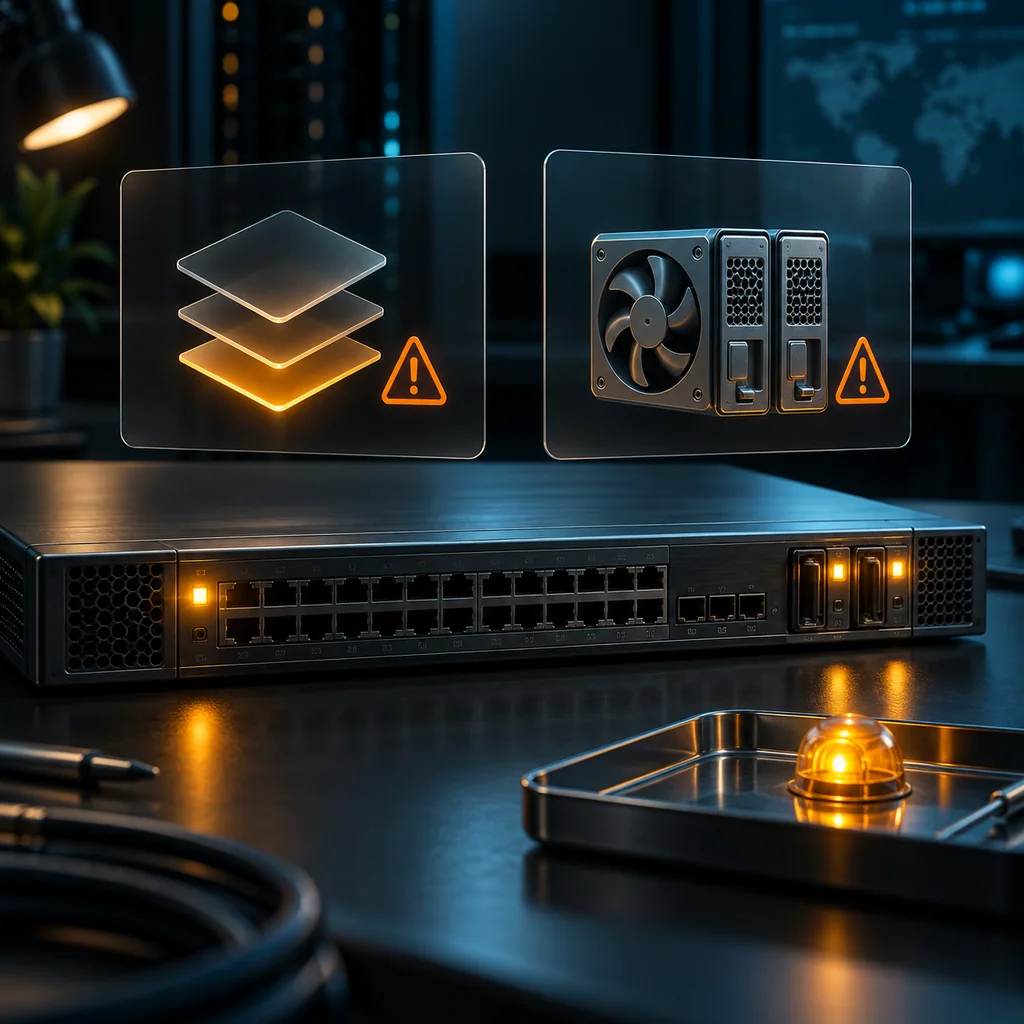
Runbooks
Junos System and Chassis Alarms: Capture the Baseline Before Recovery
Capture Junos system and chassis alarms separately, preserve severity and timestamps, and investigate the cause before recovery changes.
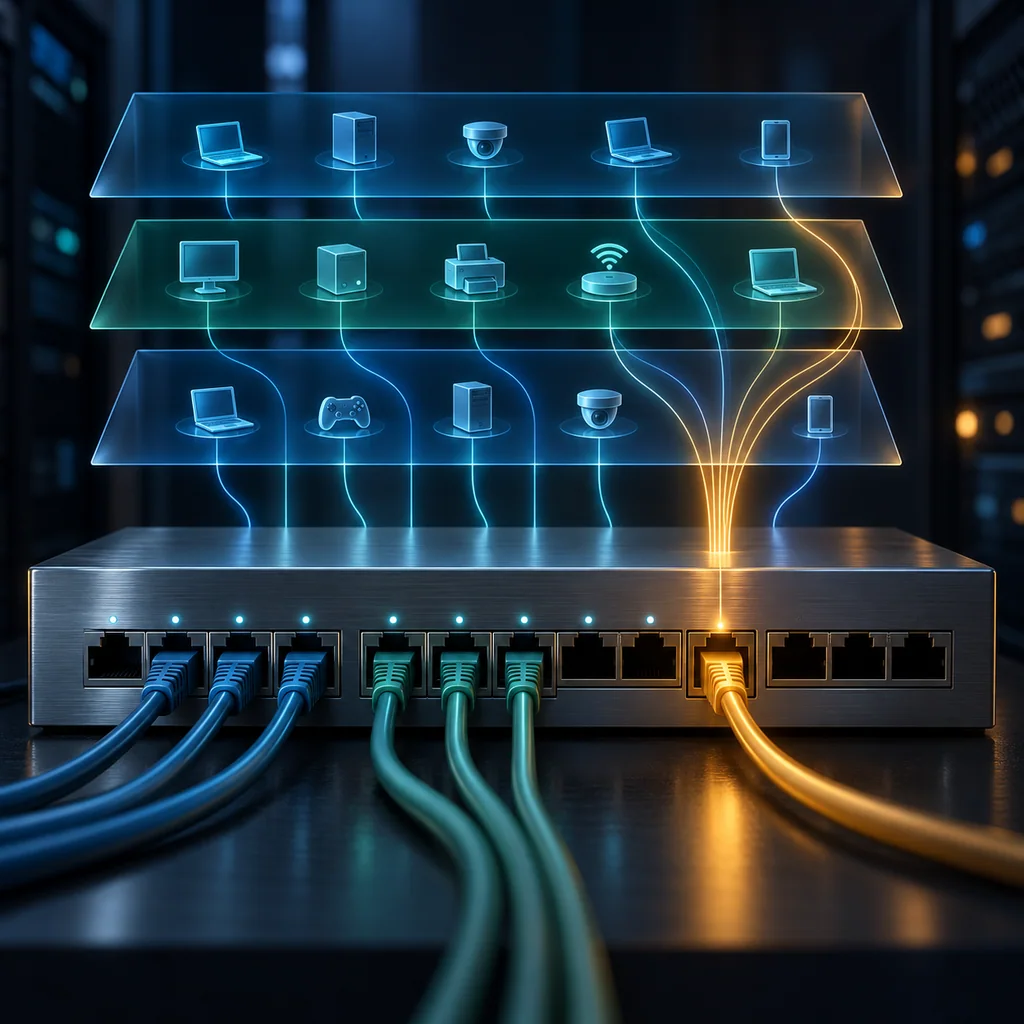
Serial Console
Cisco Catalyst MAC Tables: Trace a VLAN Without Guessing the Endpoint
Inspect Catalyst MAC entries by VLAN and port, preserve entry types and aging context, and avoid confusing a learned path with endpoint identity.

Runbooks
FortiGate Backups: Encryption and Password Masking Serve Different Jobs
Keep encrypted FortiGate recovery candidates separate from masked review copies, record scope and custody, and check file integrity without claiming a restore.
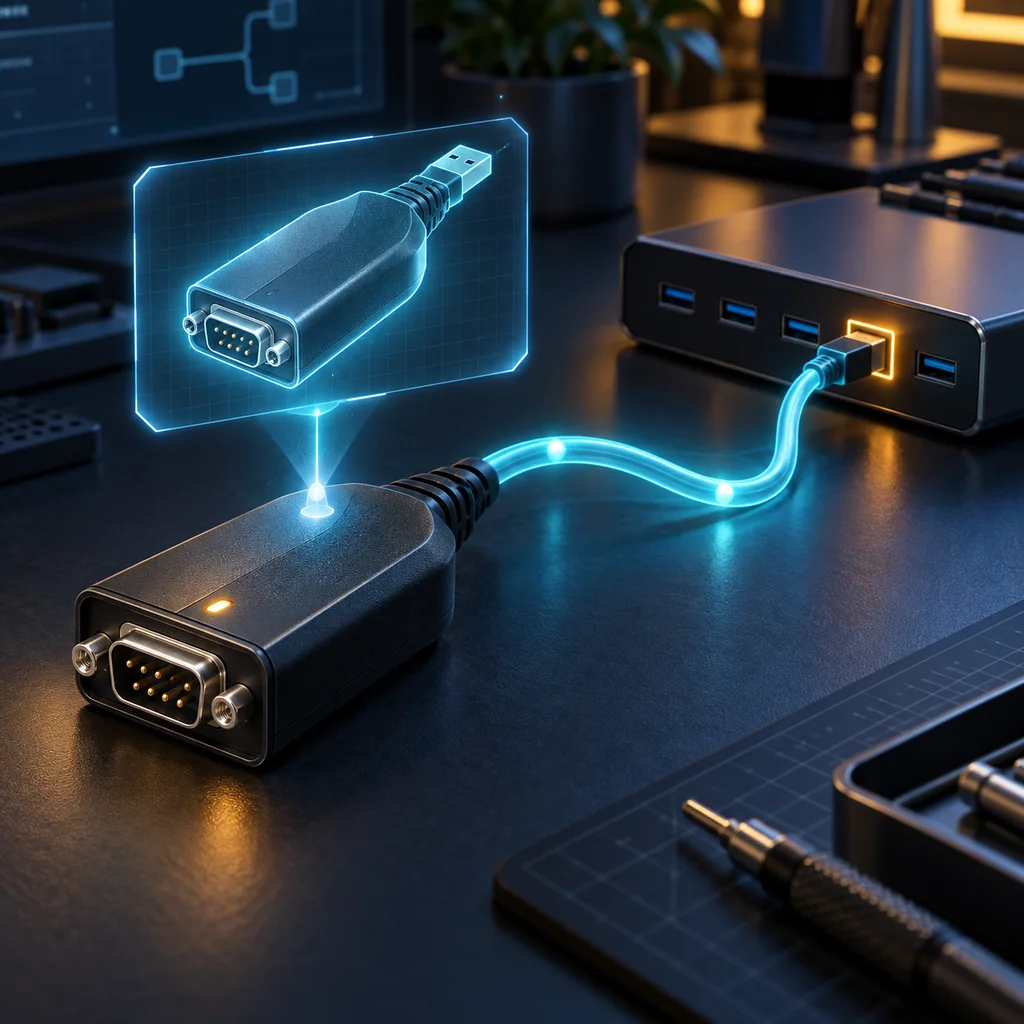
Serial Console
Linux Serial Adapter Identity: by-id vs by-path Before Reconnecting
Compare Linux USB serial by-id and by-path links, inspect udev properties, and resolve the intended adapter before reconnecting a console.
Runbooks
Junos Interface Down: Separate Admin State from Link State
Read Junos Admin and Link states separately, preserve physical interface detail, and choose the next investigation without changing the baseline.
Remote Hands
Cisco Catalyst LLDP: Confirm Both Cable Ends Before Remote Hands
Use LLDP discovery, physical labels and a dated endpoint record to confirm the intended Catalyst cable before a remote hands task.
Serial Console
FortiGate Routing Table Checks: Find the Route Without Claiming Packet Success
Inspect the FortiGate IPv4 routing table in the right VDOM and VRF, preserve route fields, and separate routing state from actual packet success.
Runbooks
Cisco Catalyst Interface Errors: Measure the Change, Preserve the Baseline
Compare two Catalyst interface-counter snapshots without clearing the baseline; distinguish new receive errors, congestion, and counter discontinuities.